OCTOBER SPECIAL FEATURE

 September 2026 Special Feature 

Stay Steady: Simple Steps to Help Prevent Falls

A fall can happen in an instant, but many falls can be prevented. Because falls are a leading cause of injury among older adults, paying attention to balance, mobility and safety at home is an important part of healthy aging. If you have fallen, feel unsteady or worry about falling, talk with your doctor. A health care professional can help identify possible risks, such as medications, vision changes, muscle weakness or hazards in the home, and recommend steps to help you stay safe and independent. Explore the resources below to check your fall risk, make your home safer and find programs that support healthy aging.

Falls CheckUp

Safety in the Home

Healthy Aging Programs

Fire Safety

Hoarding Support

Assistive Technology Program

The more you know, the more confident you can stay active and continue living well at home.


SEPTEMBER SPECIAL FEATURE

 September 2026 Special Feature 

Each September, NAMI recognizes Suicide Prevention Month as a time to raise awareness, spread hope, and spark meaningful action around one of the most urgent mental health issues of our time.

Suicidal thoughts, like mental health conditions, can affect anyone, regardless of age, gender, or background. While they may be common, they should never be seen as normal. More often than not, they signal deep emotional pain or an underlying mental health concern that deserves understanding, care, and professional support.

Yet, suicide is still too often met with silence, stigma, or shame. At NAMI, we believe that silence should never be the response to someone’s pain. That’s why we’re working tirelessly to change that. Our goal is to ensure that individuals, friends, and families have access to the tools, resources, and support they need to talk openly about suicide, recognize warning signs, and seek help without fear or shame.

This September: Start a Conversation. Be the Difference.

With one conversation, asking someone how they’re really doing, and being ready to truly listen, can save lives. Because here's what we know: No one has to face this alone. Help exists. Healing is possible. And all it can take is for one person to start a conversation.

Need more information, referrals or support? Contact the NAMI HelpLine.

ECIAAA serves Champaign, Clark, Coles, Cumberland, DeWitt, Douglas, Edgar, Ford, Iroquois, Livingston, Macon, McLean, Moultrie, Piatt, Shelby and Vermilion counties.

 Reach ECIAAA at (800) 888-4456 or This email address is being protected from spambots. You need JavaScript enabled to view it.

AUGUST SPECIAL FEATURE

 July 2026 Special Feature 

National Wellness Month is celebrated every August to focus on self-care, healthy habits, and holistic well-being. For older adults, it is a key time to prioritize whole-person health by nurturing physical mobility, maintaining mental engagement, eating balanced diets, and fostering emotional connections.

Observing this month effectively involves focusing on several key pillars tailored to the aging body and mind:

  • Physical Wellness: Emphasizes gentle movement like daily walks, stretching, or chair yoga to maintain flexibility and strength. Proper hydration and nutrition (rich in calcium and lean proteins) are also vital to support bone and muscle health.
  • Mental Engagement: Keeps the brain active through logic puzzles, reading, or learning new hobbies to boost cognitive function.
  • Social and Emotional Wellness: Fosters community and purpose through volunteering, club gatherings, or simply regular check-ins with family to prevent the negative effects of isolation.

ECIAAA provides funding through the Older Americans Act (OAA) to support local providers who deliver services and resources in East Central Illinois to older adults (aged 60+) and family caregivers. Programs that focuses on the key pillars of wellness include Nutrition (congregate and home-delivered meals), Caregiver Advisory Services, and the following evidenced-based healthy aging programs:

  • Bingocize: Combines exercise and health information with the familiar game of Bingo, which is a great and fun to get moving and socializing.
  • Chronic Disease Self-Management Program: Builds practical skills to manage conditions like arthritis, diabetes, and heart disease. Classes focus on action-planning, problem-solving, and symptom management.
  • Diabetes Self-Management Program: Designed for adults with type 2 diabetes or pre-diabetes. Classes focus on healthy eating, stress management, symptom tracking, and action-planning.
  • Fit & Strong: Helps manage join health while building physical capacity.
  • Matter of Balance: Designed to reduce the fear of falling and increase activity levels.
  • PEARLS: Designed to reduce depressive symptoms and improve the quality of life.
  • Social Connections (Reducing Social Isolation): Telephone reassurance, friendly visiting, connections through technology, and other group activities to help reduce feelings of isolation and loneliness.
  • Stress Busting: Provides support to family caregivers of persons with dementia or a chronic illness.
  • WISE: Designed to celebrate healthy aging and make positive lifestyle choices.

To learn more about services that promote self-care, healthy habits and holistic well-being for older adults and family caregivers, contact:

 ECIAAA at (800) 888-4456 or This email address is being protected from spambots. You need JavaScript enabled to view it.

ECIAAA serves Champaign, Clark, Coles, Cumberland, DeWitt, Douglas, Edgar, Ford, Iroquois, Livingston, Macon, McLean, Moultrie, Piatt, Shelby and Vermilion counties.


JULY SPECIAL FEATURE

 July 2026 Special Feature 

Older adults face a significantly higher risk for heat-related illnesses. Age-related physiological changes, like reduced sweating and poorer circulation, impair the body’s ability to regulate temperature. Chronic conditions and medications further compound this vulnerability.Why Older Adults are Vulnerable

  • Diminished Thermoregulation: Aging blunts the body's natural cooling mechanisms, meaning older adults heat up faster and struggle to cool down.
  • Medication Interference: Prescription drugs (e.g., diuretics, beta-blockers, antihistamines, and antipsychotics) can disrupt the body's ability to sweat or control temperature.
  • Underlying Conditions: Pre-existing health issues such as cardiovascular disease, kidney disease, and diabetes complicate the body's stress response.  
  • Blunted Thirst: Older adults often lose their sense of thirst, increasing the risk of severe dehydration before they even realize they need fluids.

 Recognizing the Warning Signs

When high temperatures persist, look out for the following specific symptoms:

  • Heat Exhaustion: Heavy sweating, paleness, muscle cramps, tiredness, weakness, dizziness, headache, nausea, or vomiting.
  • Heat Stroke (Life-Threatening Emergency): A body temperature above 103°F, red/hot/dry skin, no sweating, a fast/strong pulse, throbbing headache, dizziness, confusion, or unconsciousness.

 Essential Prevention Steps

  • Hydrate Constantly: Drink plenty of water and do not wait until thirst strikes. Consult a physician if you are on fluid-restricted diets or water pills.
  • Seek Air Conditioning: Spend the hottest parts of the day in air-conditioned environments. Fans alone are generally insufficient on high heat index days.
  • Stay Local and Connected: Utilize local cooling shelters if your home lacks reliable air conditioning. Have friends, family, or neighbors check on you daily during extreme heat waves.
  • Adjust Routines: Reschedule strenuous outdoor activities or run necessary errands during the cooler early morning hours.

If you are preparing for a heat wave:

  • Find local cooling centers in or near your community.
  • Review medications that might increase heat sensitivity.
  • Create an emergency communication plan with neighbors or caregivers.

Sources: National Institutes of Health & Centers for Disease Control & Prevention.

To find a cooling center in Illinois click on Keep Cool Illinois logo or you may call ECIAAA at (800) 888-4456.


ECIAAA services, Champaign, Clark, Coles, Cumberland, DeWitt, Douglas, Edgar, Ford, Iroquois, Livingston, Macon, McLean, Moultrie, Piatt, Shelby and Vermilion counties


JUNE SPECIAL FEATURE

 June 2026 Special Feature

Celebrating PRIDE Month for Older Adults

PRIDE month in June was chosen to commemorate the Stonewall Uprising, which occurred in New York City on June 28, 1969. At the time, being openly LGBTQ+ was largely prohibited, and patrons of a popular gay bar called the Stonewall Inn clashed with police during a raid. These protests catalyzed the modern gay liberation movement and are widely considered the turning point in the struggle for LGBTQ+ rights in the United States.

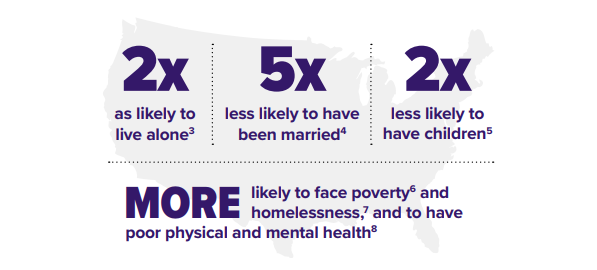
LGBTQ+ Older People LGBTQ+ older people are a diverse and widespread population, residing in every area of the country. While the lack of a national probability study makes it impossible to determine the exact number of LGBTQ+ elders in the United States, estimates suggest that nearly 3 million people aged 50 and over currently identify as LGBTQ+, a number projected to rise to around 7 million as the aging population grows.

LGBTQ+ older people face unique challenges as we age. LGBTQ+ elders are:

Systemic discrimination prevents many LGBTQ+ older adults from seeking vital services, such as caregiving and health care, often worsening chronic illnesses and mental distress. Approximately one-third of LGBTQ+ individuals with a serious illness report receiving insensitive treatment from health care providers.

These barriers extend far beyond medical settings, compounding challenges with social isolation and financial insecurity. Overall, 48% of older LGBTQ+ individuals report feeling socially isolated, a number that jumps to 56% for lack of companionship and 63% for social isolation among transgender elders. Furthermore, bias complicates the search for safe, affordable housing, which is critical as over one-third (36%) of LGBTQ+ elders live below 200% of the federal poverty level. Despite facing higher rates of anxiety and depression, LGBTQ+ older people are nearly three times more likely to forego necessary mental health care and medications, largely stemming from a lifetime of discriminatory experiences.

Despite facing unique hurdles, LGBTQ+ older adults build vibrant lives worldwide, with nearly half reporting high levels of happiness and life satisfaction. As trailblazers who catalyzed the Stonewall uprising and compassionate caregivers during the AIDS crisis, they leave a profound legacy of resilience, activism, and community-driven progress.

These inspiring pioneers continue to shape the world today, remaining deeply engaged in modern advocacy, mutual aid, and grassroots organizing. Their perseverance through adversity has laid the groundwork for decades of expanding equality, cementing their status as enduring models of strength and courage.

Showing support for the LGBTQ+ community requires cooperation from others including educating yourself about LGBTQ+ history, terminology and gender identifies. Use inclusive language and avoid making assumptions about someone’s gender or sexual orientation.  Listen without judgement allowing friends or family members to share their experiences without trying to invalidate or question their feelings. To learn more about how to show support to the older adult LGBTQ+ community, go to https://www.sageusa.org/.

ECIAAA serves Champaign, Clark, Coles, Cumberland, DeWitt, Douglas, Edgar, Ford, Iroquois, Livingston, Macon, McLean, Moultrie, Piatt, Shelby and Vermilion counties.

Get in touch

Location

ECIAAA
1003 Maple Hill Road
Bloomington, IL 61705-9327

Contact

Contact Us
Email: aginginfo@eciaaa.org
Phone: 309-829-2065
Fax: 309-829-6021

Seniors may call toll free:
Phone: 1-800-888-4456

Opening hours

Mon-Fri: 8:00 am to 4:00 pm
Sat-Sun: CLOSED