Celebrating PRIDE Month for Older Adults
PRIDE month in June was chosen to commemorate the Stonewall Uprising, which occurred in New York City on June 28, 1969. At the time, being openly LGBTQ+ was largely prohibited, and patrons of a popular gay bar called the Stonewall Inn clashed with police during a raid. These protests catalyzed the modern gay liberation movement and are widely considered the turning point in the struggle for LGBTQ+ rights in the United States.
LGBTQ+ Older People LGBTQ+ older people are a diverse and widespread population, residing in every area of the country. While the lack of a national probability study makes it impossible to determine the exact number of LGBTQ+ elders in the United States, estimates suggest that nearly 3 million people aged 50 and over currently identify as LGBTQ+, a number projected to rise to around 7 million as the aging population grows.
LGBTQ+ older people face unique challenges as we age. LGBTQ+ elders are:

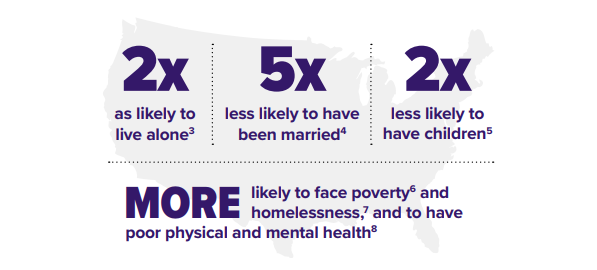
Systemic discrimination prevents many LGBTQ+ older adults from seeking vital services, such as caregiving and health care, often worsening chronic illnesses and mental distress. Approximately one-third of LGBTQ+ individuals with a serious illness report receiving insensitive treatment from health care providers.
These barriers extend far beyond medical settings, compounding challenges with social isolation and financial insecurity. Overall, 48% of older LGBTQ+ individuals report feeling socially isolated, a number that jumps to 56% for lack of companionship and 63% for social isolation among transgender elders. Furthermore, bias complicates the search for safe, affordable housing, which is critical as over one-third (36%) of LGBTQ+ elders live below 200% of the federal poverty level. Despite facing higher rates of anxiety and depression, LGBTQ+ older people are nearly three times more likely to forego necessary mental health care and medications, largely stemming from a lifetime of discriminatory experiences.
Despite facing unique hurdles, LGBTQ+ older adults build vibrant lives worldwide, with nearly half reporting high levels of happiness and life satisfaction. As trailblazers who catalyzed the Stonewall uprising and compassionate caregivers during the AIDS crisis, they leave a profound legacy of resilience, activism, and community-driven progress.
These inspiring pioneers continue to shape the world today, remaining deeply engaged in modern advocacy, mutual aid, and grassroots organizing. Their perseverance through adversity has laid the groundwork for decades of expanding equality, cementing their status as enduring models of strength and courage.
Showing support for the LGBTQ+ community requires cooperation from others including educating yourself about LGBTQ+ history, terminology and gender identifies. Use inclusive language and avoid making assumptions about someone’s gender or sexual orientation. Listen without judgement allowing friends or family members to share their experiences without trying to invalidate or question their feelings. To learn more about how to show support to the older adult LGBTQ+ community, go to https://www.sageusa.org/.
ECIAAA serves Champaign, Clark, Coles, Cumberland, DeWitt, Douglas, Edgar, Ford, Iroquois, Livingston, Macon, McLean, Moultrie, Piatt, Shelby and Vermilion counties.